Europe on the Edge: Navigating Its Turbulent New Geopolitical Era
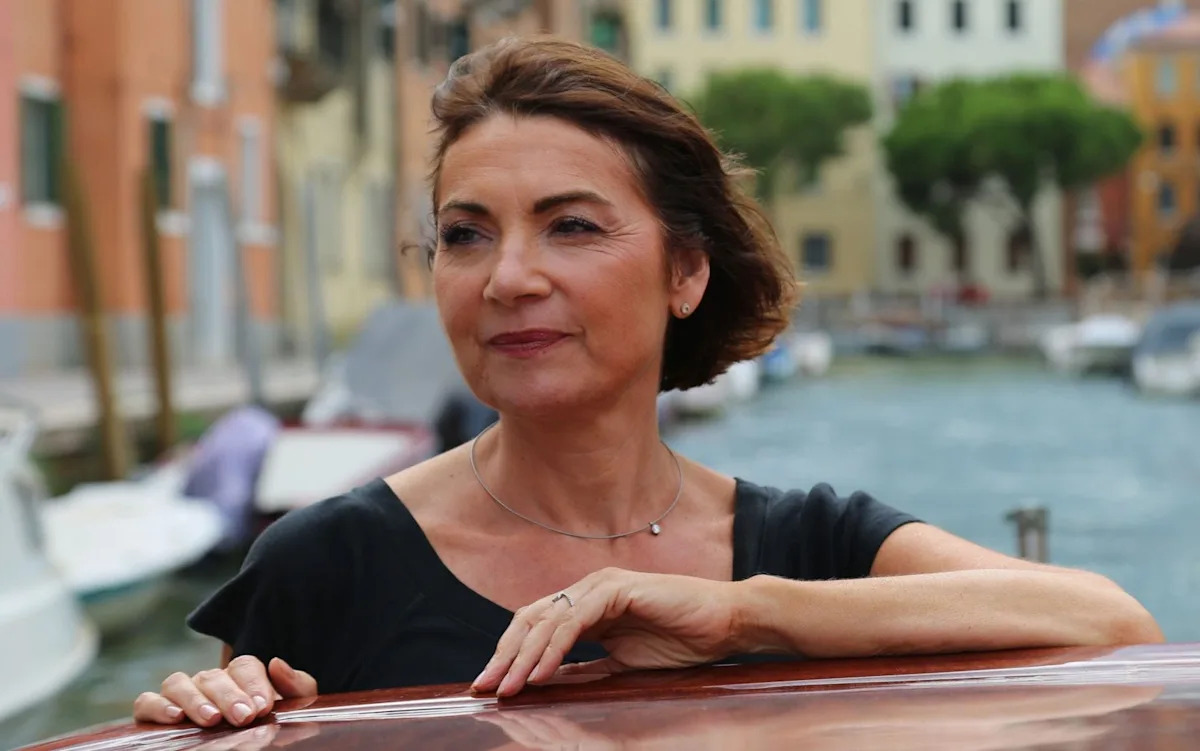
Europe, a continent long associated with stability, cultural richness, and a certain collective contentment—or Gemütlichkeit, as the Germans would say—finds itself unequivocally on the edge. A turbulent new geopolitical era has dawned, casting long shadows over its cherished way of life and forcing a re-evaluation of its role on the global stage. From the repercussions of conflicts on its eastern flank to internal debates over defence, economic dependencies, and strategic autonomy, the continent is grappling with an unprecedented array of challenges. This profound shift, keenly observed by commentators like the BBC's Europe editor Katya Adler in her recent documentary series, highlights the urgent need for Europe to adapt, unify, and redefine its future amidst growing uncertainty.
The Shifting Sands of European Unity and Security
The invasion of Ukraine serves as a stark reminder that peace in Europe can no longer be taken for granted. This seismic event has fundamentally altered security perceptions, yet it has also exposed deep-seated divisions within the European Union. While a collective response has largely emerged, national nuances and historical baggage continue to complicate a truly unified front.
In countries like Italy, for instance, a significant segment of the population has shown hesitation towards arming Ukraine, with pockets of old-school communist sentiment still harbouring sympathy for Moscow. Economic realities further complicate matters, as glass-blowers and other industries grapple with the loss of once-cheap Russian gas, illustrating the difficult balance between sanctions and domestic economic stability. Similarly, Germany, burdened by its unique historical legacy, navigates a complex path. While a crucial partner in European security, a sense of historical guilt, and even some misguided interpretations, have sometimes coloured its approach to a more assertive foreign policy, with one descendant of a senior Nazi even suggesting insufficient friendliness towards Russia contributed to current aggression. Such perspectives, however controversial, underline the diverse and often conflicting narratives that shape national responses.
The collective Gemütlichkeit—that elusive feeling of warmth, comfort, and contentment that defines much of European life—is now undeniably imperilled. Energy security, economic inflation, and the specter of regional conflict are no longer abstract concepts but tangible threats, compelling European nations to confront uncomfortable truths about their vulnerabilities and interdependencies.
Balancing Ambition and Reality: Transatlantic Ties and Defence Dilemmas
The quest for European strategic autonomy, particularly from the United States, has long been a French ambition. President Macron has often voiced a desire for a Europe capable of leading on the world stage, less tethered to Washington's foreign policy dictates. However, this lofty aspiration often collides with domestic realities. France's enduring commitment to its "cradle-to-grave" welfare state, while a cornerstone of its social fabric, demands significant fiscal resources that can impede substantial increases in defence spending or more expansive global projection. This creates a challenging paradox: how to achieve global leadership without the commensurate means?
Further south, Spain presents another facet of Europe's defence dilemma. Amidst calls for increased military spending following the Ukraine crisis, Spain remains conspicuous for rejecting NATO's new commitment to allocate 5% of GDP to defence. Madrid argues that it faces an equally existential threat: climate change. Farmers in Spain, struggling with droughts and extreme weather, lament the devastating impact on their livelihoods. This perspective underscores a critical tension within Europe – the need to balance traditional security concerns with the urgent demands of environmental sustainability. While this stance may find empathy from those grappling with the immediate effects of climate change, it risks isolating Spain from other NATO members, particularly figures like Donald Trump, who might dismiss it as special pleading. For a deeper look into these national divergences, read From Italy to Spain: Europe's Divisive Path on Defense and Diplomacy.
Beyond internal debates, Europe's international credibility is also under scrutiny. In the aftermath of recent US and Israeli strikes, the transatlantic alliance's response has sparked criticism, confirming for many that the "rules-based international order" has been dangerously simplified to a "might makes right" premise, particularly when exercised by Western powers. For London, Paris, Berlin, and Brussels, the perceived failure to challenge certain actions decisively or to hold allies to account, risks undermining Europe's moral authority and its commitment to multilateralism. This posture has led some to accuse European powers of offering a "blank check," further eroding trust in a genuinely rules-based global system. To understand more about this critical shift, explore Europe's Shifting Order: A 'Might Makes Right' Approach to Global Crises.
Beyond Geopolitics: Internal Pressures and the Pursuit of 'Gemütlichkeit'
The idea of Europe on the edge isn't solely about external threats or defence strategies; it's also about the internal pressures challenging the very fabric of its societies. The economic fallout from geopolitical instability, combined with the escalating costs of mitigating climate change, puts immense strain on the continent's cherished social models. Welfare states, once the envy of the world, face unprecedented demands. Maintaining comprehensive healthcare, education, and social safety nets becomes increasingly difficult when national budgets are simultaneously stretched by defence imperatives, energy crises, and climate adaptation projects.
Climate change, as highlighted by Spain's plight, is not merely an environmental issue but a profound economic and social one. Farmers, coastal communities, and urban centres across Europe are already experiencing its effects, necessitating massive investments in infrastructure, agriculture, and public health. This diversion of resources, however necessary, inevitably impacts other areas of public spending and can contribute to a sense of national distraction from geopolitical priorities, as noted by some observers.
Furthermore, internal challenges like organised crime, although perhaps seen as "over-reach" in the context of a geopolitical documentary, represent systemic issues that can weaken state institutions and divert resources. The ongoing struggle against entities like the Mafia in Italy, for example, is a constant drain on judicial, law enforcement, and economic systems, further complicating national governance and the ability to project unified strength.
Ultimately, the pursuit of Gemütlichkeit – that deep, cultural contentment – is a delicate balancing act. It requires not only peace and prosperity but also a sense of security, social cohesion, and confidence in the future. When these foundations are shaken by war, economic uncertainty, and environmental crises, the very essence of European identity faces a profound test.
Navigating the New Era: Resilience, Adaptation, and the Road Ahead
Europe stands at a critical juncture, navigating a complex web of internal divisions, external pressures, and competing priorities. The insights gleaned from ordinary citizens, as highlighted by Katya Adler's engaging reportage, are invaluable. While not always possessing the geopolitical expertise of think-tankers, their everyday struggles and hopes offer a crucial ground-level perspective on how these macro-level shifts impact real lives.
To move forward, Europe must cultivate greater strategic autonomy, not necessarily in opposition to its allies, but as a complement, enabling it to act decisively in its own interests. This requires diversifying energy sources, strengthening defence capabilities, and fostering economic resilience that is less susceptible to external shocks. Moreover, effective diplomacy and a commitment to multilateralism, authentically applied, will be crucial in asserting its values on the global stage.
Tips for navigating this turbulent era include:
- Investing in diversified energy portfolios: Reducing reliance on single suppliers enhances energy security and mitigates geopolitical leverage.
- Strengthening internal cohesion: Addressing national disparities and fostering a greater sense of shared European identity can build resilience against external divisive forces.
- Balancing defence and climate action: Developing integrated strategies that recognise both as existential threats, rather than mutually exclusive priorities.
- Promoting active citizen engagement: Encouraging informed debate and participation ensures that policy decisions reflect the diverse needs and concerns of European populations.